
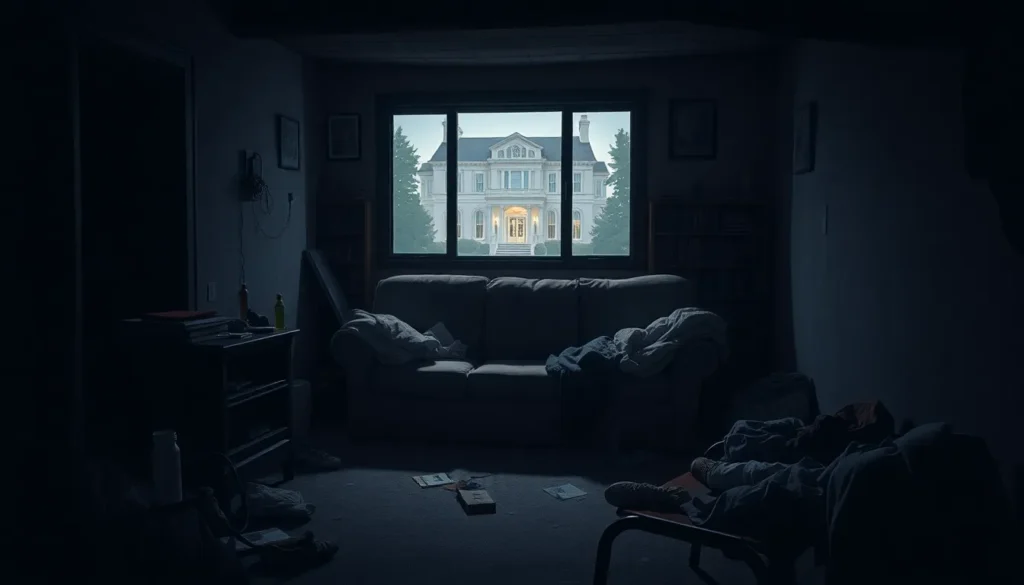
When it comes to film, the lines between genres can get blurrier than a foggy night in a haunted house. “Parasite” has audiences scratching their heads, wondering if they just watched a gripping thriller or a full-blown horror flick. With its unexpected twists and gut-wrenching social commentary, it’s no surprise that viewers are debating its true nature.
Overview of “Parasite”
“Parasite” presents a sharp social commentary intertwined with dark humor and suspenseful elements. Released in 2019, this South Korean film directed by Bong Joon-ho explores class disparities through the interactions of two families. The affluent Park family and the impoverished Kim family showcase contrasting lifestyles, leading to unexpected consequences.
The film’s narrative shifts between genres, exemplifying psychological tension typical of thrillers and horror films. Audiences witness a gradual build-up of unease, culminating in an explosive climax that alters perceptions of both wealth and desperation. Unpredictable twists contribute to its classification debate, provoking discussions about the nature of humanity and morality.
Imagery and symbolism deepen the storytelling, with the use of architecture, light, and shadow enhancing its haunting atmosphere. The metaphorical elements—like the semi-basement residing character represent societal struggles—add layers to the film’s significance. “Parasite” garnered widespread acclaim, winning the Academy Award for Best Picture along with three additional Oscars.
Critics praise the film for its brilliant screenplay and standout performances by the cast. It’s important to note that the film resonates with viewers of diverse backgrounds, further highlighting its universal themes. The unique blend of genres ultimately makes “Parasite” a thought-provoking experience, leaving audiences questioning their own societal roles.
Themes Explored in “Parasite”


“Parasite” presents multifaceted themes that resonate deeply with audiences. It intricately weaves social commentary into its narrative, exposing the stark contrasts between classes.
Class Struggle and Social Inequality
Class struggle and social inequality dominate the film’s narrative. The Kim family’s desperate attempts to infiltrate the wealthy Park household illustrate this divide. They undertake deception to secure jobs, demonstrating how societal barriers force individuals to resort to unethical means for survival. This interplay highlights systemic issues that govern wealth distribution. Each character’s motivations stem from their desperate circumstances, creating tension as the two families interact. The stark visual contrasts between their living conditions underline the film’s critique of capitalism. “Parasite” engages with complex themes surrounding privilege, exposing how societal structures perpetuate inequality and exploit the marginalized.
Psychological Tension
Psychological tension permeates “Parasite.” The film gradually builds suspense, reflecting the characters’ mounting desperation. Changes in tone shift viewers’ emotions, creating a sense of foreboding. Dark humor punctuates tense moments, enhancing the unease. Characters oscillate between vulnerability and calculated manipulation, illustrating their moral ambiguity. Gradually, the plot reveals the consequences of their choices, leading to a shocking climax. Each twist and turn amplifies the film’s psychological depth, immersing viewers in the chaotic dynamics of the families. As the narrative unfolds, it becomes evident that survival instincts often lead to unpredictable and horrifying outcomes.
Horror Elements in “Parasite”
“Parasite” integrates horror elements seamlessly, leaving viewers questioning the film’s true nature. This fusion of genres elevates the viewing experience.
Suspenseful Storytelling
Tension builds throughout the narrative, creating an atmosphere of unease. The plot unfolds gradually, with unexpected twists that keep audiences on edge. Characters face moral dilemmas that reflect the darker aspects of society. Psychological struggles intensify, revealing the lengths individuals go to for survival. As stakes rise, viewers witness shocking revelations that challenge their perceptions of normalcy. The pacing of the story heightens suspense, keeping audiences immersed in its unpredictable nature.
Unsettling Visuals
Visual storytelling adds layers of horror to “Parasite.” Dark lighting and stark contrasts illustrate the disparities between the families. The semi-basement serves as a powerful symbol of social struggle, enhancing the film’s haunting tone. Camera angles invoke a sense of confinement, emphasizing characters’ desperation. Rich cinematography juxtaposes opulence with decay, creating an unsettling environment. Symbols scattered throughout the film deepen the viewer’s discomfort, leaving lasting impressions that linger after the credits roll.
Audience Reception and Interpretation
Audience reactions to “Parasite” vary widely, with many viewers identifying elements of horror and thriller genres. Critics highlight the film’s unsettling atmosphere, where suspense builds gradually. The anxiety resonates with individuals familiar with socioeconomic disparities.
Discussion centers around moral ambiguity present in character choices, contributing to the film’s horrifying aspects. The Kims’ struggle for survival forces them into ethically questionable situations, amplifying audience unease. Viewers often express discomfort as they relate to the characters’ desperation.
Elements of dark humor provide a contrasting layer, further complicating viewer interpretations. Many appreciate how this humor alleviates tension yet simultaneously heightens moments of dread. In this way, the film challenges audiences to confront their feelings toward class disparities.
Imagery plays a crucial role in audience interpretations. The stark contrasts between the Kim family’s semi-basement and the Parks’ opulent home symbolize societal divisions. Viewers frequently comment on how these visual cues solidify the film’s commentary on capitalism.
Additionally, the psychological tension engages audiences on a deeper level. As the narrative shifts in tone, feelings of foreboding increase. Significant plot twists keep viewers on edge, prompting discussions about the limits of survival instincts in challenging circumstances.
Responses to “Parasite” reflect a collective grappling with societal structures. Many find themselves reassessing their views on wealth and privilege after viewing the film. This multifaceted reception showcases how effectively “Parasite” provokes thought and conversation among diverse audiences.

