

In a world where smartphones have become as essential as coffee, the global mobile impact is nothing short of revolutionary. These pocket-sized powerhouses connect billions, shaping how people communicate, shop, and entertain themselves. Imagine a life without your trusty device—no memes, no cat videos, and certainly no late-night online shopping sprees.
Understanding Global Mobile Impact
Global mobile impact refers to the wide-ranging effects of mobile technology on economies, societies, and individual behaviors. This influence has transformed communication, commerce, and access to information.
Definition of Global Mobile Impact
Global mobile impact encompasses the changes brought about by mobile devices in daily activities, social interactions, and economic practices. Mobile technology facilitates instant connectivity, resource access, and convenience for users worldwide. It fosters advancements in various sectors, such as healthcare, education, and finance, ultimately shaping lifestyles across cultures. Users now depend on mobile platforms for tasks that once required substantial time and effort.
Importance in Today’s World
Mobile technology shapes interactions among people, influencing how they communicate, shop, and share information. In 2023, over 6.8 billion individuals access mobile devices globally, underscoring their prevalence. Accessibility to information and services remains critical, as many rely on smartphones for navigation, news, and online shopping. Communities benefit from mobile technology through improved access to education and healthcare, driving social change. Other industries, such as tourism and entertainment, thrive due to mobile platforms, highlighting their relevance in the modern world.
Trends in Mobile Technology
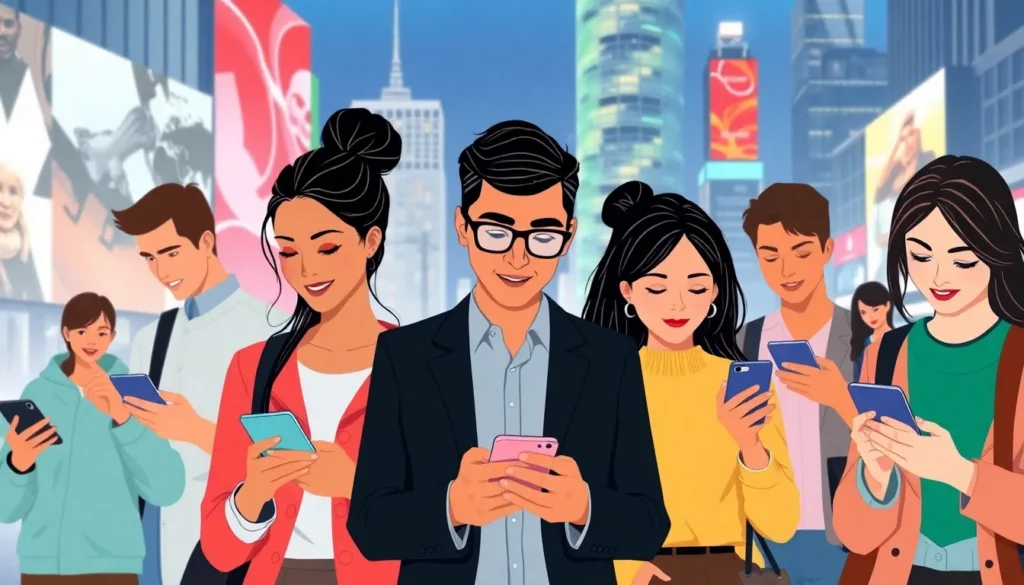
Mobile technology trends shape global communication and access to information. Significant shifts in usage patterns emerge, reflecting the influence of mobile devices on daily life.
Rise of Smartphones
Smartphone adoption continues to surge globally, with devices becoming the primary means of accessing the internet. Mobile phones now outnumber desktop computers, affecting how information is consumed. Over 6.8 billion people use mobile devices, indicating a key shift in technology reliance. With continued innovations in features and applications, smartphones integrate seamlessly into various aspects of everyday life. Their capabilities enhance user interaction with social media, entertainment, and e-commerce platforms, reinforcing their necessity.
Growth of Mobile Internet Usage
Mobile internet usage grows rapidly, driven by smartphone accessibility. In 2023, over 54% of global web traffic originates from mobile devices. This shift changes how businesses develop online strategies, emphasizing mobile-friendly designs. Users increasingly prefer mobile applications over websites, leading companies to invest in mobile optimization. Increased mobile broadband accessibility facilitates this trend, particularly in developing regions. Consumers’ preference for instant access to services accelerates the need for reliable mobile connectivity.
Economic Influence of Mobile
Mobile technology significantly influences the economy, driving changes across various sectors. Businesses now prioritize mobile commerce, leading to a surge in transactions via smartphones.
Mobile Commerce and Transactions
Mobile commerce has transformed the retail landscape, allowing consumers to shop seamlessly through apps and websites. As of 2023, approximately 54% of global web traffic stems from mobile devices. This shift prompts businesses to develop mobile-friendly platforms to enhance user experience. Instant payment solutions further streamline transactions, enabling consumers to purchase goods with a few taps. Companies that invest in mobile commerce strategies see increased customer engagement and higher conversion rates.
Job Creation in the Mobile Sector
The mobile sector plays a crucial role in job creation across diverse industries. A variety of positions emerge, ranging from app development to mobile marketing. Many organizations leverage mobile technology to enhance productivity, which drives demand for skilled workers. In 2023, jobs in mobile development see a 30% increase compared to prior years. This growth highlights the necessity for educational programs focusing on mobile technologies and skills. Organizations that adapt to this trend can benefit from a robust talent pool and cultivate innovation in their services.
Social Implications of Mobile Connectivity
Mobile connectivity significantly reshapes social structures and cultural interactions. Enhanced communication and social interaction stand out as primary benefits of mobile technology.
Enhanced Communication and Social Interaction
Mobile devices facilitate instant messaging and video calls, fostering deeper connections among individuals. Social media platforms thrive on mobile accessibility, allowing users to share experiences seamlessly. Messaging apps, such as WhatsApp and Messenger, serve billions of people worldwide, making communication easier. Real-time updates and notifications keep users connected to friends and family, regardless of distance. As a result, relationships strengthen through consistent interaction and shared moments. This ongoing engagement transforms how communities connect and communicate, ultimately shaping social landscapes globally.
Impact on Education and Learning
Education experiences a profound transformation due to mobile technology. Mobile phones offer access to a vast array of online resources and learning platforms. Students can engage with educational content anytime and anywhere, enhancing learning opportunities. E-learning apps and platforms expand the reach of quality education to underserved areas, bridging the gap for millions. In 2023, educational institutions increasingly integrate mobile devices into curricula, enabling interactive and personalized learning experiences. Remote learning solutions empower students to pursue knowledge at their own pace, leading to improved outcomes. Enhanced mobile connectivity reshapes the educational landscape, fostering a more informed and skilled population.
Environmental Considerations
Mobile technology presents significant environmental challenges and opportunities. E-waste and sustainability emerge as vital concerns.
E-Waste and Sustainability
E-waste generation drastically increases with the proliferation of smartphones and tablets. In 2023, global e-waste is projected to exceed 74 million metric tons, highlighting the urgent need for effective recycling and disposal methods. Sustainable practices play a crucial role in reducing waste. Companies actively implement take-back programs and promote device recycling. These efforts help minimize environmental impact. Also, manufacturers explore eco-friendly materials and design practices to enhance device longevity. Stakeholders must prioritize responsible consumption and encourage consumers to recycle obsolete devices. Fostering awareness campaigns boosts participation in e-waste recycling efforts.
Mobile Innovations for Environmental Solutions
Mobile innovations contribute to environmental sustainability by providing solutions for various ecological challenges. Applications that promote energy efficiency, optimize routes, and reduce emissions are widely available. For instance, smart transportation apps help users find the most efficient travel options, cutting down on fuel consumption. In agriculture, mobile technology supports precision farming, enabling farmers to monitor resources and minimize waste. Solar-powered mobile charging stations also enhance energy sustainability. Additionally, initiatives leveraging mobile platforms for environmental education raise awareness about conservation practices. As these innovations evolve, they offer tools for individuals and communities to engage in more environmentally conscious behaviors.
The global mobile impact is undeniable as it continues to shape lives and economies worldwide. With billions relying on smartphones for everyday tasks mobile technology has become a cornerstone of modern existence. The influence of mobile devices extends beyond communication and shopping into education healthcare and environmental sustainability.
As trends evolve and technology advances staying ahead of the curve is essential for individuals and businesses alike. Embracing mobile innovations not only enhances user experiences but also drives economic growth and social change. The future will undoubtedly see further integration of mobile technology into various aspects of life reinforcing its role as a vital tool for progress.

