
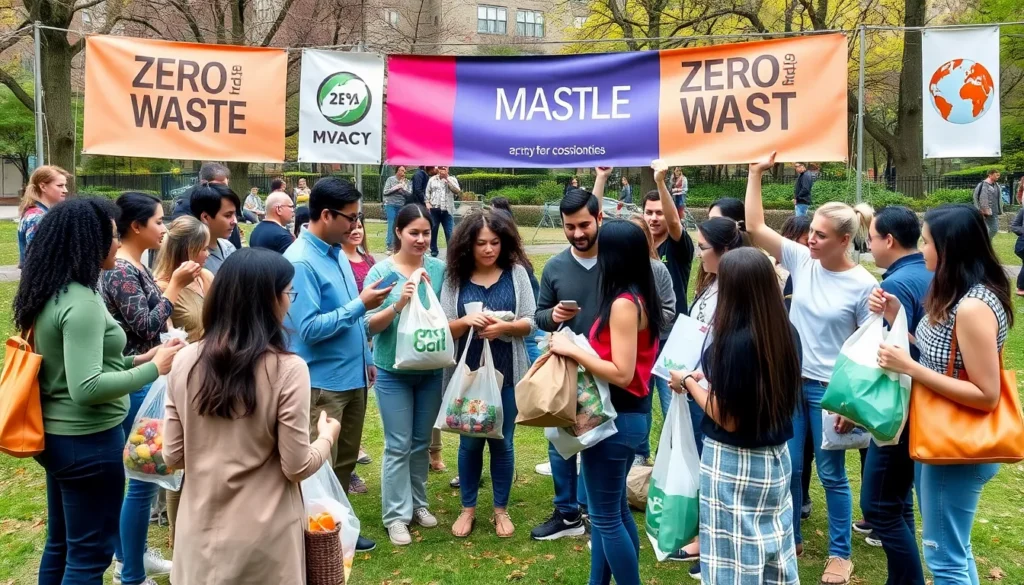
In a world drowning in plastic and overflowing landfills, zero waste apps are the superheroes we didn’t know we needed. They swoop in to save the day, helping eco-conscious warriors reduce their environmental footprint while making sustainability feel like a walk in the park—minus the trash. With a tap of a finger, users can discover local resources, find creative ways to reuse items, and even connect with fellow zero waste enthusiasts.
Overview of Zero Waste Apps
Zero waste apps play a crucial role in promoting sustainable living. These platforms connect users to local resources for recycling, composting, and donating items. Many apps feature innovative ideas for reusing products, reducing the need for single-use items.
Users often benefit from community features that allow them to share tips and experiences with others on a similar journey. Several popular apps, such as “OLIO” and “Too Good to Go,” focus on food sharing, aiming to minimize food waste by redistributing surplus food from households and businesses.
Additionally, each app’s unique features cater to various aspects of waste reduction. Some applications provide information on the closest zero waste stores, while others track personal waste and suggest strategies for improvement. Specific applications even enable users to find nearby recycling spots for a range of materials.
The user interface of these apps typically aims for simplicity and effectiveness. Many offer tools such as checklists and reminders that help individuals stay committed to their zero waste goals. Integrating these elements fosters motivation and accountability in the journey.
With each download, users gain access to a wealth of knowledge that empowers them to make informed decisions. The community aspect further enriches this experience by allowing for interaction and support among eco-conscious individuals. Zero waste apps are invaluable resources, transforming how people approach their consumption habits and contributing to a healthier planet.
Popular Zero Waste Apps
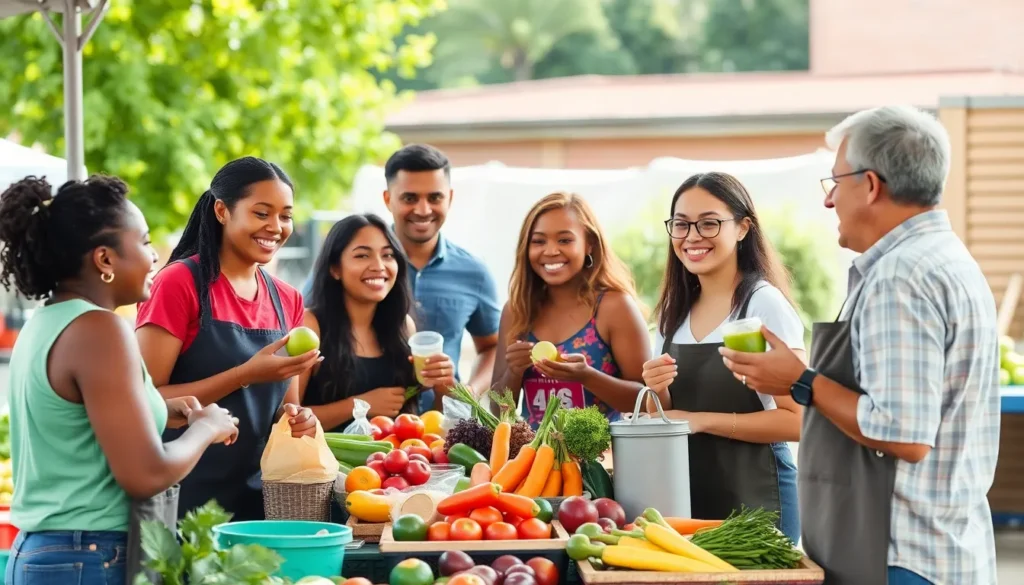
Zero waste apps serve as essential tools for sustainable living. These applications feature various functionalities aimed at reducing waste and promoting eco-friendly habits.
App 1: Features and Benefits
OLIO connects users with nearby neighbors and local businesses to share surplus food. The platform encourages sharing by allowing individuals to list items for others to collect, which minimizes food waste and fosters community relationships. Users benefit from discovering new food sources while helping reduce excess. Its user-friendly interface simplifies the process of searching for available food items nearby. This app promotes sustainability by building an active network of sharing and supporting one another, transforming the way communities think about food consumption.
App 2: Features and Benefits
Too Good to Go focuses on saving surplus food from local restaurants and stores. This app allows users to purchase items at reduced prices before they spoil, helping to diminish food waste effectively. Customers experience joy through the surprise bag concept, where they receive a variety of food selections from participating businesses. Additionally, users gain insights into local shops committed to reducing waste. The app’s intuitive design ensures a smooth experience for users seeking deals on quality food while supporting local merchants and the environment.
How Zero Waste Apps Work
Zero waste apps streamline the journey toward sustainability by encouraging responsible consumption and community connecting. These tools empower users to adopt eco-friendly habits with ease.
User Interface and Experience
Each app features a user-friendly layout designed for efficient navigation. Icons and intuitive menus simplify the search for local resources. Checklists and reminders enhance engagement, making it easier for individuals to track their progress toward zero waste goals. Feedback options allow users to share insights. Gamification elements often inspire healthy competition, boosting motivation to recycle and reduce waste. Overall, a seamless user experience fosters ongoing commitment to sustainable practices.
Data Tracking and Impact
Tracking personal waste becomes manageable with these apps’ integrated data features. Users can log waste generation, monitor recycling habits, and measure the impact of their efforts. Real-time statistics provide valuable insights into consumption patterns, allowing for better decision-making. Users gain an understanding of their contributions to reducing landfill waste and promoting sustainability. By visualizing achievements, zero waste apps encourage continuous improvement and community engagement in minimizing waste production.
Benefits of Using Zero Waste Apps
Zero waste apps provide several significant advantages for users committed to sustainability. First, these tools promote responsible consumption by guiding individuals toward local recycling, composting, and donating opportunities. Access to tailored resources simplifies the process of reducing waste and finding eco-friendly options.
Tracking waste generation is another key feature. Users can monitor their habits, visualize their impact, and adjust their behaviors accordingly. This data encourages mindfulness, motivating individuals to minimize waste in their daily lives.
Community connection remains an essential benefit. Users engage with like-minded individuals through app features that allow sharing tips, experiences, and friendly competition. This sense of community fosters accountability while making sustainability enjoyable.
Resource sharing enhances overall effectiveness. By redistributing surplus items, users directly contribute to minimizing waste while supporting local businesses. Apps like OLIO and Too Good to Go exemplify this, allowing users to access free food items or discounted meals, helping reduce food waste and promote sustainability.
User-friendly designs facilitate navigation. Intuitive menus and helpful icons make resource discovery easy, ensuring that individuals can find what they need without frustration. Such accessibility enhances user engagement and commitment to zero waste practices.
Gamification elements also exist within many zero waste apps. They encourage friendly competition among users, motivating them to recycle more and waste less. This engaging approach transforms sustainability from a chore into an exciting challenge.
Ultimately, zero waste apps serve as valuable allies for individuals aiming to reduce their environmental footprint. By simplifying sustainability and fostering community, these tools enable effective actions toward a healthier planet.
Challenges and Limitations
Zero waste apps face several challenges and limitations. User adoption can vary significantly, as some individuals may not possess the technological skills to utilize these tools effectively. Accessibility issues arise for those without smartphones or reliable internet connections, limiting the reach of these applications.
Data privacy concerns also emerge. Users may hesitate to share personal information required for app features, including tracking waste or joining community networks. Limited engagement from local businesses complicates availability. Many businesses may lack the resources or motivation to connect with these platforms, reducing the range of options for users.
Not all zero waste apps cover the same geographical areas, which creates inconsistencies. Some regions may lack adequate resources, leading to disparities in user experiences and solutions. Updates and maintenance of app content can be infrequent, impacting the accuracy of information about local resources. Such issues may contribute to frustration among users seeking reliable data.
User habits also play a role in limiting effectiveness. Many users may lack motivation to change their consumption patterns and dismiss the full potential of these apps. Moreover, the industry surrounding zero waste practices remains in its infancy. As a result, educational gaps exist regarding sustainability practices and the benefits of using these tools.
These challenges highlight the need for ongoing improvements in technology, user engagement, and business partnerships. Raising awareness about the importance of zero waste practices can help overcome barriers. By addressing limitations, developers can enhance the impact of zero waste apps and foster greater participation in sustainable initiatives.
Zero waste apps are transforming the way individuals approach sustainability. By providing essential resources and fostering community connections, these tools make it easier for users to adopt eco-friendly habits. While challenges exist in user adoption and engagement, the potential for positive impact remains significant.
As technology evolves, these apps can become even more effective in promoting responsible consumption and minimizing waste. Embracing zero waste apps not only simplifies the journey toward a sustainable lifestyle but also empowers individuals to contribute to a healthier planet. With continued support and innovation, the future of zero waste living looks promising.

